Basements
Flooded basement cleanup in Salt Lake City
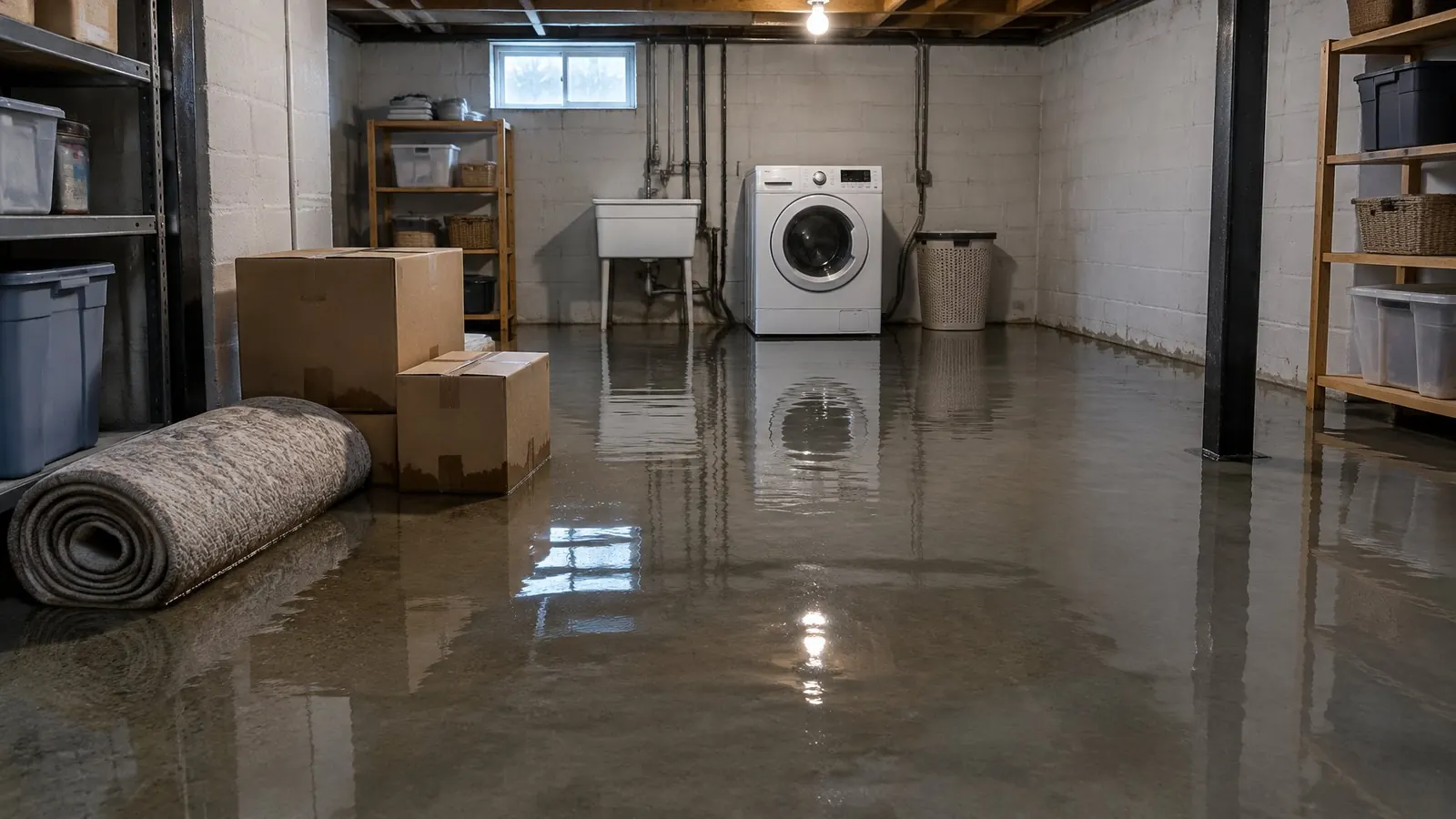
Basements collect water from every direction: a burst line, a failed water heater, a floor drain backing up or runoff finding a window well. Call and an independent contractor that works in Salt Lake basements can take it from there.
What it involves
First work out where the water came from
The source decides how the basement is cleaned. Water from a supply line or water heater is clean when it starts. Water through a window well or foundation crack has picked up soil. Water rising from a floor drain may be sewage, which changes everything about the cleanup.
Finished basements hold water in carpet pad, the base of drywall, insulation and stored belongings. Expect the contractor to recommend taking out wet pad and cutting a strip of drywall along the floor so the wall can dry.
First steps
Before anyone goes down
- Stay out if the water could reach outlets, cords, the furnace or the panel
- Smell it: a sewage odor means treat it as contaminated
- Watch the floor drain to see whether water is rising from it
- Check window wells for pooled water against the glass
- Carry what you can upstairs once it is safe
- Do not run the furnace if it sat in water; have it checked
The job
How basement cleanup usually goes
Pump out
Deep water is pumped; shallower water is extracted directly.
Sort the contents
Belongings are moved, photographed and separated into salvageable and not.
Remove wet materials
Pad, saturated drywall and insulation are cut out as needed.
Clean
Floors and the lower walls are cleaned, and sanitized if the water was contaminated.
Dry and verify
Dehumidifiers run until the slab, framing and drywall test dry.
Salt Lake City
Storm runoff and Salt Lake basements
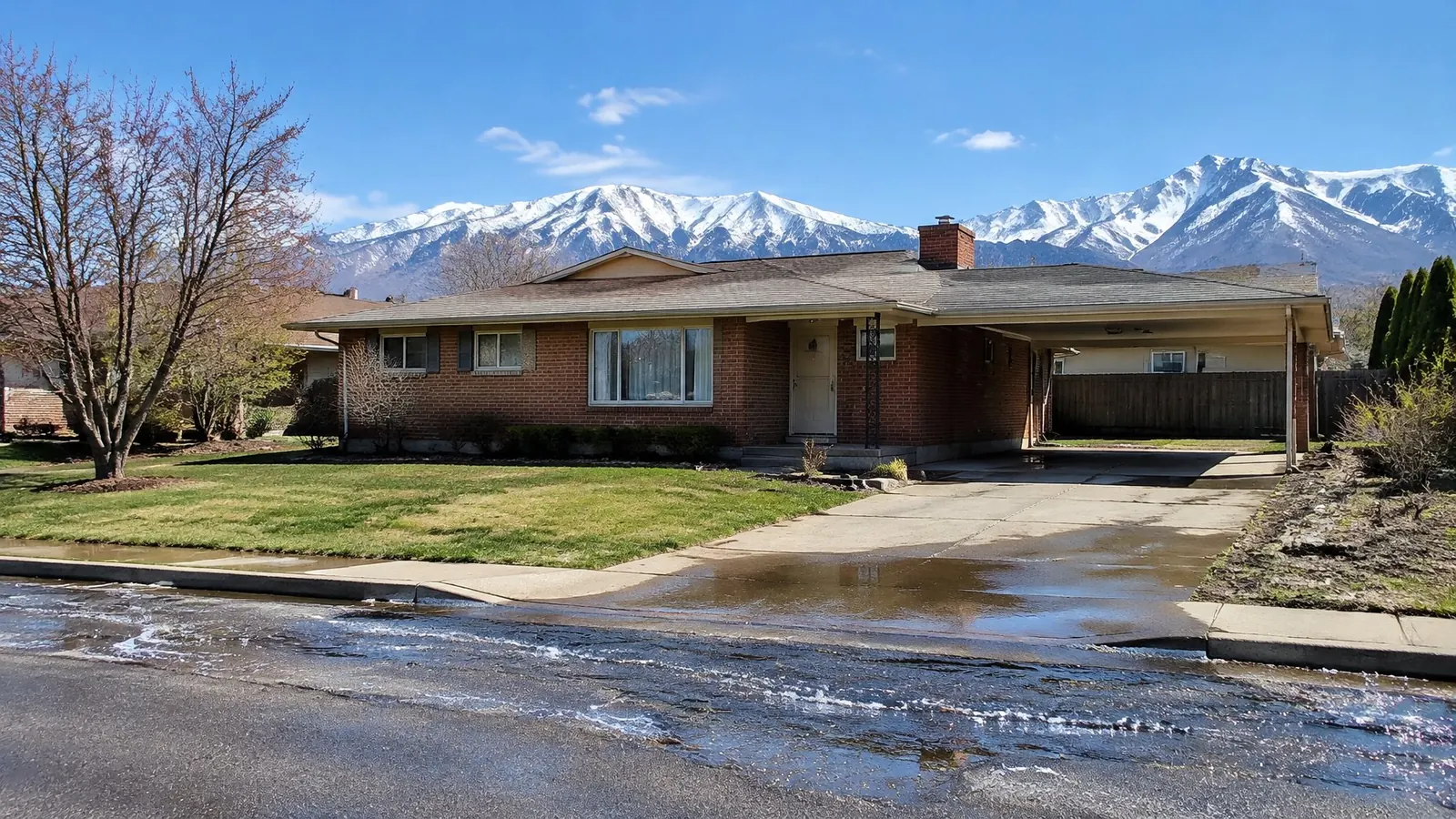
Heavy rain can overwhelm drainage quickly. Salt Lake City reports that a storm on October 3 and 4, 2025 dropped about two and a half inches of rain in 14 hours, causing localized flooding in the Rose Park neighborhood (city incident page). The city told residents that Public Utilities can make an initial assessment of water, sewer or storm drain issues and that private contractors may be needed for problems inside the home.
Spring runoff is the other season to watch. The city's emergency management office describes runoff as typically running from April to July, when creeks swell with snowmelt (flooding and spring runoff).
Questions
Flooded Basement Cleanup: common questions
Is basement flooding covered by homeowners insurance?
It depends on the source. The Utah Insurance Department lists flood damage and water from backed-up drains or sewers among things most standard policies don't cover, though endorsements may be available. Check your policy.
Can I pump the water out myself?
A small amount of clean water, yes, once the power is safe. Deep water against foundation walls is often pumped out in stages. Sewage should be left to people with the right protective gear.
What about my furnace and water heater?
If either sat in water, have it checked before use. The city's Rose Park guidance noted that gas appliances exposed to water will not be relit by the gas company and private contractors may be needed.
Related
Other kinds of damage
- Water Damage RestorationExtraction, drying to measured readings, then the rebuild of whatever had to come out.Read more
- Water Extraction & DryingStanding water out, then air movers and dehumidifiers until the readings say dry.Read more
- Frozen & Burst PipesA split line in a cold wall or crawlspace, often found only when it thaws.Read more
- Sewage Backup CleanupWastewater from a floor drain, toilet or tub: treated as contaminated from the start.Read more
- Storm & Roof Leak DamageRain, snowmelt or ice finding a way through the roof, a window well or a door.Read more
- Appliance & Water Heater LeaksWater heaters, washer hoses, dishwashers, ice makers and AC drain lines.Read more
- Fire & Smoke DamageSoot, smoke odor and the water used to put the fire out.Read more
- Mold RemediationGrowth after a leak or a damp basement, removed at the source.Read more
Salt Lake Valley
Talk the damage through with a local restoration contractor
A single call reaches an independent contractor that handles water, smoke and mold jobs in Salt Lake City and the surrounding cities. You decide whether to book anything.
Water where it shouldn't be?
The call goes to an independent restoration contractor that takes jobs in the Salt Lake Valley. Describe the source, the rooms involved and when it started.
Call (801) 823-6866Calls may be recorded for quality and billing. How the line is paid: referral disclosure. What is recorded: privacy.