Mold
Mold remediation in Salt Lake City
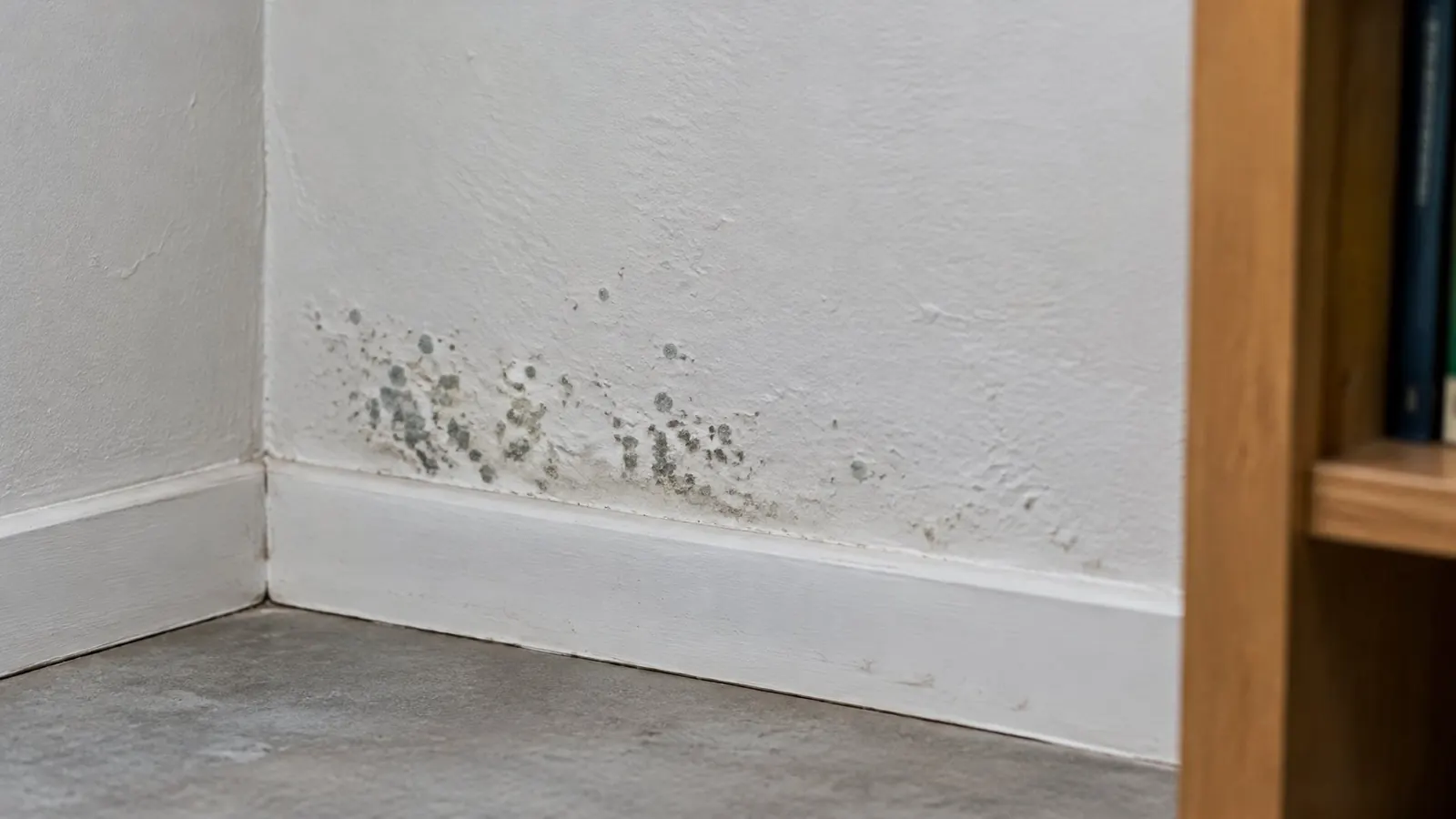
Mold follows moisture. After a leak that wasn't dried in time, or in a damp corner of a basement, an independent remediation contractor can find the source and remove the growth. This site only makes the connection.
What it involves
Moisture first, then mold
Mold needs moisture, so remediation that doesn't fix the water source tends to fail. The EPA says the key to mold control is moisture control, and that water-damaged areas should be dried within 24 to 48 hours to prevent growth (EPA guide).
Remediation means containing the area so spores aren't spread, removing moldy porous materials, cleaning hard surfaces and drying everything thoroughly. By the EPA's yardstick, a patch under about 10 square feet is usually something a homeowner can handle; above that, or after heavy water damage, it points to its guidance for larger cleanups.
First steps
If you find mold
- Find and stop the water: leak, condensation or seepage
- Don't disturb large patches; scraping spreads spores
- Keep the door to the area closed and the HVAC off there if possible
- Don't paint over it
- Ask anyone with asthma or allergies to stay out
- Photograph it and note when the leak happened
The job
How remediation usually works
Assessment
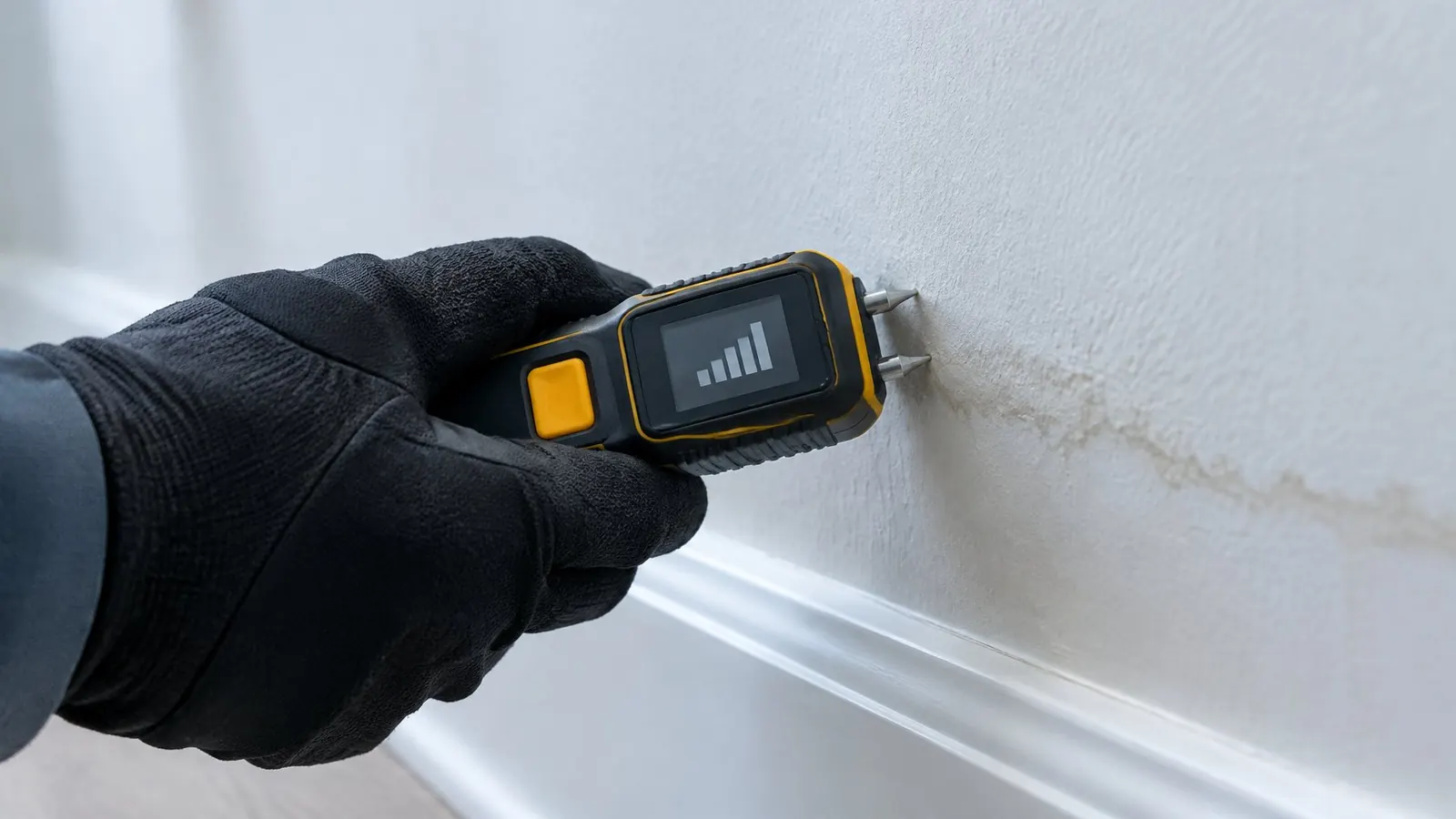
The contractor looks for the moisture source and how far growth extends.
Containment
Plastic barriers and air filtration keep spores in the work area.
Removal
Moldy drywall, insulation and other porous materials are removed and bagged.
Cleaning
Framing and hard surfaces are cleaned and dried.
Rebuild
Replacement materials go in once the area is dry and clean.
Salt Lake City
Choosing a remediation contractor
Mold calls from this site go to independent contractors that do remediation work. Rebuilding walls and floors afterwards is construction work, and Utah Code 58-55-501 makes it unlawful to engage in a construction trade requiring a license without being licensed (Utah Code 58-55-501). Ask for the contractor's license number and look it up with DOPL.
Ask how the contractor will contain the area, what will be removed, how it will confirm the job is finished and whether testing is done by the same company or someone independent.
Questions
Mold Remediation: common questions
Do I need mold testing?
Often not. The EPA says that in most cases, when mold growth is visible, sampling is unnecessary; the response is the same either way: fix the moisture and remove the growth. Ask the contractor why it recommends a test if it does.
Can bleach fix it?
Killing mold isn't enough: the EPA notes that dead mold can still cause allergic reactions, so it has to be removed. It also warns never to mix chlorine bleach with cleaners containing ammonia. And bleach does nothing about the moisture.
Is mold covered by insurance?
It often depends on whether the mold came from a covered water event. Ask your insurer; this site can't say what your policy covers.
Related
Other kinds of damage
- Water Damage RestorationExtraction, drying to measured readings, then the rebuild of whatever had to come out.Read more
- Water Extraction & DryingStanding water out, then air movers and dehumidifiers until the readings say dry.Read more
- Frozen & Burst PipesA split line in a cold wall or crawlspace, often found only when it thaws.Read more
- Flooded Basement CleanupWater across a finished or unfinished basement floor, from inside or outside the house.Read more
- Sewage Backup CleanupWastewater from a floor drain, toilet or tub: treated as contaminated from the start.Read more
- Storm & Roof Leak DamageRain, snowmelt or ice finding a way through the roof, a window well or a door.Read more
- Appliance & Water Heater LeaksWater heaters, washer hoses, dishwashers, ice makers and AC drain lines.Read more
- Fire & Smoke DamageSoot, smoke odor and the water used to put the fire out.Read more
Salt Lake Valley
Talk the damage through with a local restoration contractor
A single call reaches an independent contractor that handles water, smoke and mold jobs in Salt Lake City and the surrounding cities. You decide whether to book anything.
Water where it shouldn't be?
The call goes to an independent restoration contractor that takes jobs in the Salt Lake Valley. Describe the source, the rooms involved and when it started.
Call (801) 823-6866Calls may be recorded for quality and billing. How the line is paid: referral disclosure. What is recorded: privacy.