Extraction and drying
Water extraction and structural drying in Salt Lake City
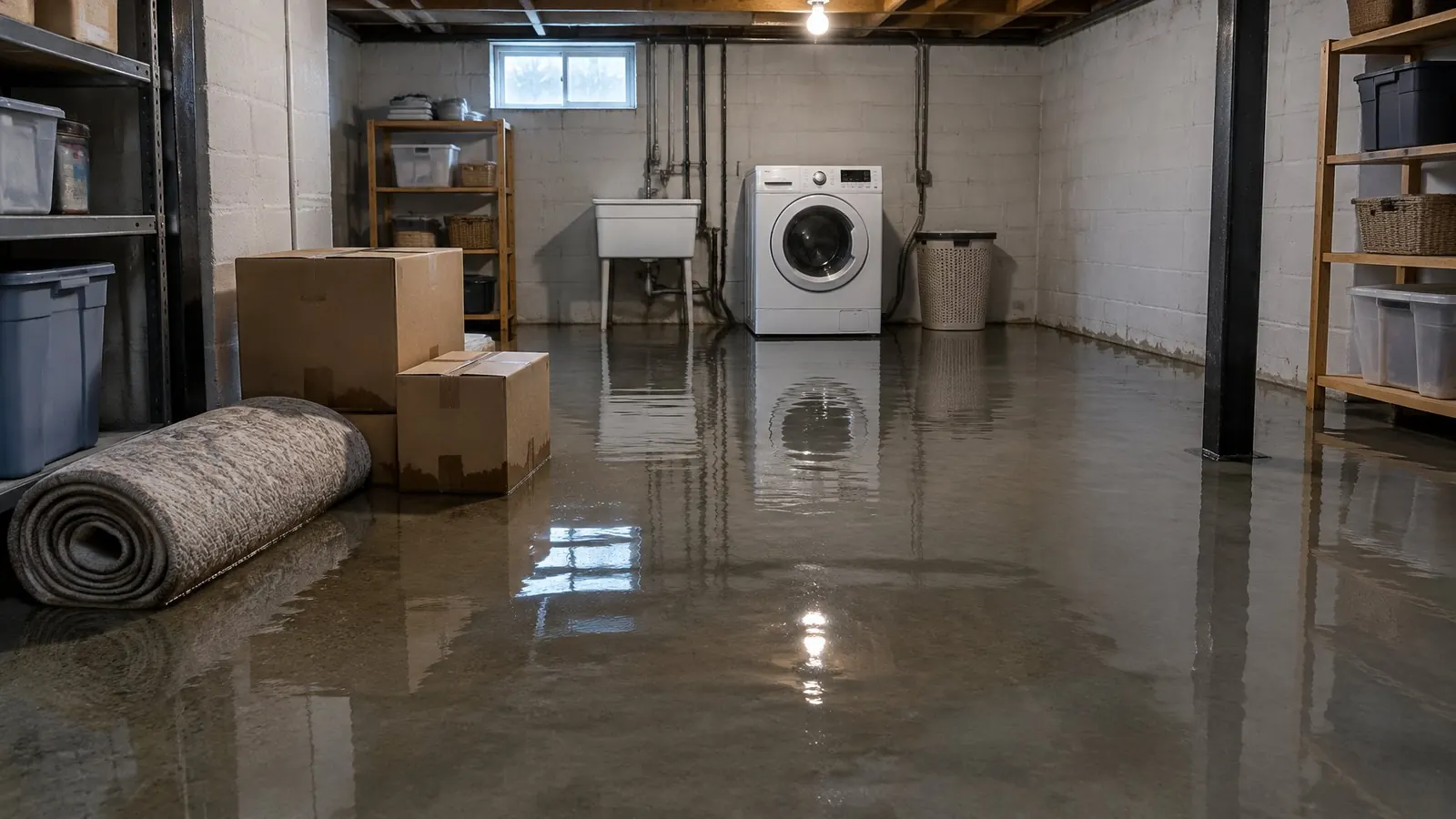
Water on the floor is only the visible part. Extraction takes out the bulk, and drying deals with what has soaked into pad, drywall and framing. One call connects you with an independent contractor that does both.
What it involves
Why a shop vacuum is rarely enough
A wet vacuum picks up surface water, but carpet pad holds many times its weight and wicks water into the base of the walls. Truck-mounted or portable extractors pull far more water out of carpet, which shortens drying by days.
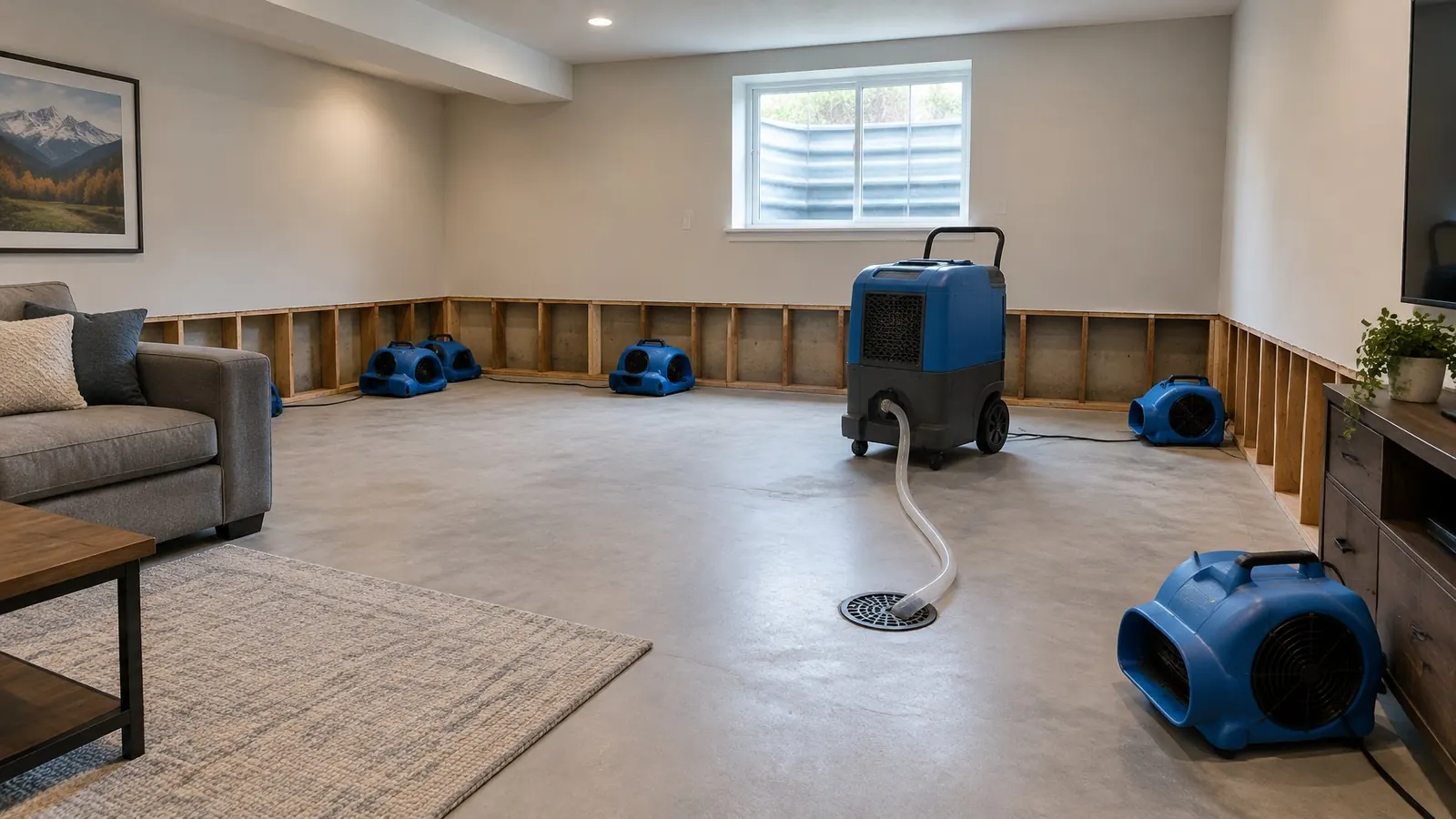
Drying is a balance between moving air and removing moisture from it. Air movers lift water off surfaces into the air, and dehumidifiers take it back out. Without both, the moisture just moves around the house.
First steps
Before extraction starts
- Stop the source and note when it started
- Keep children and pets out of wet rooms
- Unplug and move electronics if you can do it from a dry spot
- Do not use a household vacuum on water
- Open interior doors so air can move between rooms
- Photograph the water line on walls and furniture
The job
A typical extraction and drying job
Map the water
Meters and sometimes thermal cameras show how far the water travelled under flooring and into walls.
Extract
Standing water and water in carpet are pulled out with powered extraction equipment.
Open what has to dry
Pad may be lifted, baseboards pulled and small holes drilled so wall cavities get airflow.
Run the equipment
Air movers and dehumidifiers run continuously, adjusted at each visit.
Confirm dry
Readings are compared with unaffected areas of the house before the job is called finished.
Salt Lake City
Drying in the Salt Lake Valley
Low outdoor humidity is common here, which helps once air can move. Basements are the exception. Below-grade rooms stay cool, and cool air holds less moisture, so a contractor may add heat or more dehumidification to keep drying on track.
Expect the equipment to draw a fair amount of power. Ask the contractor which outlets and circuits it will use so a breaker does not trip in the night and stop the drying.
Questions
Water Extraction & Drying: common questions
Can wet carpet be saved?
Often, if the water was clean and it is extracted and dried quickly. The pad underneath is usually replaced. Carpet soaked by sewage is normally removed.
Why are holes being drilled in my wall?
Small holes near the floor let dry air into the wall cavity, which can save the drywall from being cut out. They are patched during repairs.
Can I turn the equipment off at night?
Drying stalls when the machines stop, and moisture settles back into the materials. Talk to the contractor if noise is a problem.
Related
Other kinds of damage
- Water Damage RestorationExtraction, drying to measured readings, then the rebuild of whatever had to come out.Read more
- Frozen & Burst PipesA split line in a cold wall or crawlspace, often found only when it thaws.Read more
- Flooded Basement CleanupWater across a finished or unfinished basement floor, from inside or outside the house.Read more
- Sewage Backup CleanupWastewater from a floor drain, toilet or tub: treated as contaminated from the start.Read more
- Storm & Roof Leak DamageRain, snowmelt or ice finding a way through the roof, a window well or a door.Read more
- Appliance & Water Heater LeaksWater heaters, washer hoses, dishwashers, ice makers and AC drain lines.Read more
- Fire & Smoke DamageSoot, smoke odor and the water used to put the fire out.Read more
- Mold RemediationGrowth after a leak or a damp basement, removed at the source.Read more
Salt Lake Valley
Talk the damage through with a local restoration contractor
A single call reaches an independent contractor that handles water, smoke and mold jobs in Salt Lake City and the surrounding cities. You decide whether to book anything.
Water where it shouldn't be?
The call goes to an independent restoration contractor that takes jobs in the Salt Lake Valley. Describe the source, the rooms involved and when it started.
Call (801) 823-6866Calls may be recorded for quality and billing. How the line is paid: referral disclosure. What is recorded: privacy.